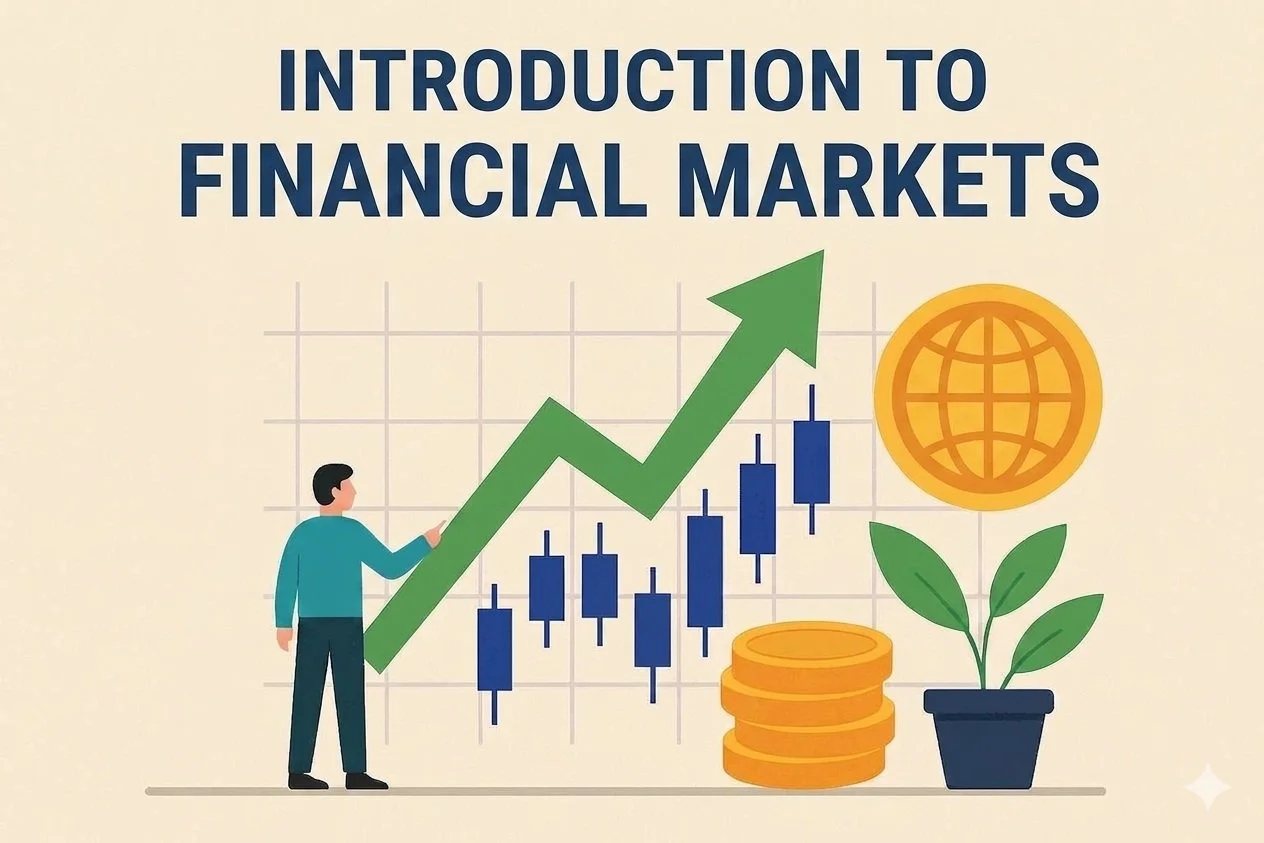
Beyond the Diploma
The "Money Language" Playbook: Tools Schools Didn't Teach You
Across the Caribbean, academic excellence is a point of pride. We celebrate the graduation caps and the hard-earned diplomas, yet many of our most brilliant minds walk across that stage with a hidden vulnerability: they lack the "money language" needed to navigate a financial world that doesn't operate like a classroom. Traditional education systems excel at teaching us how to solve for (x) in a math equation, but they rarely explain how (x) pays for a mortgage or how to stop it from disappearing into bank fees. To truly thrive, you need a dual foundation - your academic degree for your career, and a set of practical "life tools" for your freedom.
The mission of Impact25 is rooted in the belief that education should do more than help a student pass an exam; it should empower them to build a life. This requires moving beyond theory and into the mechanics of wealth building. Here are the foundational practical tools that traditional schooling often misses.
1. Mastering the First Paycheck: From Survival to Strategy
Your first salary often feels like a windfall, a reward for years of academic labor. However, without a specific plan, it quickly falls victim to "leakage" - those small, unnoticed expenditures like subscription services, daily convenience meals, and impulse buys that drain your account before the next payday. Managing this first income effectively requires a shift from viewing money as something to spend to seeing it as a tool to manage.
The 50/30/20 Rule: A popular and flexible starting point for Caribbean professionals is the 50/30/20 budgeting rule. This framework suggests allocating 50% of your income to "needs" (rent, groceries, utilities, transportation), 30% to "wants" (dining out, entertainment, hobbies), and 20% to your future self (savings, investments, and debt repayment). This ensures that while you enjoy your hard-earned money today, you aren't sacrificing your security tomorrow.
Automate Your Defense: One of the most effective ways to build wealth is to "pay yourself first." Human willpower is a finite resource; don't rely on it to save what is "left over" at the end of the month. Set up a standing order or automatic transfer that moves your 20% portion into a separate account the very day your salary hits. If the money never sits in your everyday spending account, you aren't tempted to spend it.
Understanding the "Hidden" Deductions: Your gross pay is not your "take-home" pay. Schools rarely teach students how to read a local pay slip, which includes mandatory deductions for income tax, social security, and national health surcharges. Knowing these figures is essential for realistic budgeting. Always base your financial decisions on your actual net income rather than your total salary package.
2. Building Your First "Safety Net"
In a region where economic shifts can be sudden and natural disasters are a seasonal reality, an Emergency Fund is your most critical life tool. It is the psychological and financial cushion that allows you to take risks in your career. Without it, a minor car repair or a medical bill becomes a crisis that can derail your financial progress for years.
The First Milestone: Start by aiming for one month of essential expenses. This "starter" fund acts as a buffer against common life hiccups.
The Ultimate Goal: Work toward having 3 to 6 months of core expenses tucked away in a high-yield savings account that is separate from your daily debit card. This ensures that your heritage and your hard work are protected against unforeseen global or local events. This isn't just "savings" - it is "opportunity insurance." It gives you the power to say "no" to a toxic job or "yes" to a new venture because you aren't living paycheck to paycheck.
3. Opening a Brokerage Account: Your Portal to Global Wealth
Investing is often mistakenly viewed as a luxury for the rich or a form of gambling. In reality, it is a mathematical tool that allows anyone to benefit from Compound Interest - the process where your earnings begin to earn their own earnings. Over time, this is how wealth is generated, independent of your hourly labor. To start, you need a brokerage account - a specific type of account used to buy and sell stocks, bonds, and mutual funds
Choosing Your Market:
Local and Regional Markets: You can invest in Caribbean companies through licensed local brokers. Supporting local businesses while growing your wealth is a powerful way to strengthen the regional economy.
International Markets: For those looking to diversify into global tech or established firms worldwide, platforms like Interactive Brokers or Charles Schwab International allow Caribbean residents to open accounts with proper documentation. This provides access to the world’s largest companies, ensuring your portfolio isn't tied to only one geography.
The "Know Your Customer" Toolkit: Because of global regulations, opening these accounts requires specific documents: a valid government ID (Passport or Driver's License), proof of address (utility bill or bank statement), and a tax identification number (TRN or TIN). Having these ready in a digital folder is a "life tool" in itself.
The W-8BEN Form: This is a critical piece of the "money language" for Caribbean investors. If you invest in US markets, you must fill out a W-8BEN Form. This identifies you as a non-resident for tax purposes and can reduce the tax withheld on your dividends from 30% to 15%. Understanding this one form can save you thousands of dollars over an investment lifetime.
4. Investing in Your Most Valuable Asset
While brokerage accounts and emergency funds are essential, the most significant "life tool" you possess is your own ability to earn and learn. Traditional school ends, but your education in the global economy is just beginning. Use a portion of your "wants" budget to invest in certifications, workshops, or books that increase your market value. In the modern world, the most secure safety net is a diverse and updated skill set.
The Bottom Line
Education should empower you to build a life, not just pass an exam. By mastering the "money language" of budgeting, safety nets, and investing, you transition from being a student of the world to an architect of your own future. Your heritage is your strength, your academic potential is your engine, and these practical tools are your roadmap. It is time to start writing a financial future that belongs to you.